
Our story / Heritage Subsidence
Heritage building subsidence repair across the UK
Cracks in lime render, bowing walls, or foundations that have shifted under a centuries-old structure each tell a different story. Share the details with Heritage Subsidence and a specialist firm covering your area will call you back to discuss the work and the cost.
Heritage Subsidence at a glance
- Trading name
- Heritage Subsidence
- Towns served
- Birmingham, Leeds, Liverpool, Sheffield, Manchester +15
- Get in touch
- Request quote, hello@heritagesubsidence.co.uk
- Services covered
- Crack monitoring for heritage buildings, Drainage investigations for heritage buildings, Heritage building foundation repairs, Heritage building lime mortar repointing, Heritage building load-bearing wall stabilisation, Structural underpinning for heritage buildings, Subsidence surveys for heritage buildings, Heritage building tree root assessments
- Region covered
- United Kingdom
- How it works
- Describe the damage you have found · A specialist phones you · Working out whether a site visit is needed · A written quote provided at no cost · The repair work · Documentation and handover
Heritage Subsidence and your buildings insurance
Most buildings insurance policies include subsidence as a named peril, but the excess attached to a subsidence-related claim is often set above the routine excess, and each insurer writes its own conditions into the schedule. Read your policy wording and speak to your insurer before any repair work begins. If you have an active claim, note the claim reference number and the loss adjuster's name on your form so the attending specialist can pick up the technical side of the claim from the outset.
Listed and historic property buyers and insurers may ask whether a building carries a ground movement history, and that history may require disclosure for a set number of years; your insurer's own policy terms state the period that applies. After underpinning, resin injection or structural stabilisation, the specialist may issue a certificate that can be held with the title documents and shown to a future buyer or insurer should the repair history come into question.
Why heritage buildings need specialist knowledge
Older structures sit on shallower foundations and use materials that react differently to ground movement than modern builds do.
Proportionate & evidence-led
Insurance-claim support
Lender-ready reports
Subsidence repair for heritage buildings, done by specialists who understand old structures
Read the structure before anything else
The specialist examines crack patterns across walls, openings and junctions, and considers the original build method, before drawing any conclusion about what is happening at foundation level.
Heritage materials handled correctly
Lime mortar, rubble-fill walls and timber-framed structures respond differently from modern builds. The specialist selects repair methods and materials that suit the original construction rather than forcing modern products onto old fabric.
Root and soil causes traced
Clay shrinking beneath a dry summer, tree roots drawing moisture from the ground or old drainage channels beneath a historic plot each produce distinct movement patterns. The specialist identifies which is at play.
Below-ground pipework checked
A slow leak in a buried drain can wash fine soil from beneath a footing with no visible sign at ground level. Where that is a possibility, the specialist examines the drainage run as part of identifying the cause.
Written findings after every visit
You receive a written report setting out the findings, the cause of any movement, and the specialist's recommendations. That document can be passed to your insurer, solicitor, mortgage lender or conservation officer.
Repair kept to what the evidence requires
Where crack monitoring shows that movement has stopped, the specialist says so. No repair work is put forward unless the findings support it, and the least disruptive method that fits the evidence is always considered first.
Specialists working across the UK
Heritage Subsidence handles enquiries from properties throughout England, Scotland, Wales and Northern Ireland, from large cities to rural market towns with high concentrations of older buildings.
Questions about Heritage Subsidence
Not sure what you need? Browse our services
What types of work can Heritage Subsidence arrange across the United Kingdom?
Heritage Subsidence covers crack monitoring, drainage investigations, foundation repairs, lime mortar repointing, load-bearing wall stabilisation, subsidence surveys, tree root assessments and structural underpinning for heritage and older properties throughout the United Kingdom. Set out what you have observed and the specialist will recommend the right investigation or repair for your property.
Can Heritage Subsidence help buyers as well as existing property owners?
Yes. If a pre-purchase survey has flagged possible ground movement at a historic building, attach the relevant section of that report when you submit your details. The specialist will review the flagged section and advise on any further investigation required before contracts are exchanged.
How does Heritage Subsidence work with a buildings insurance claim that is already in progress?
Add the claim reference number and the loss adjuster's name to your submission so the attending specialist arrives prepared. From their first visit the attending specialist can address the technical side of the claim directly with the relevant parties.
Is a quote from Heritage Subsidence free?
Pricing is confirmed at no charge at this stage. Once the specialist has reviewed your details and visited the site, they will set out the cost of any survey or repair required.
Why should Heritage Subsidence be used for an older building rather than a general contractor?
Older structures built with lime mortar, rubble masonry or timber frames behave differently from modern construction. The specialists Heritage Subsidence works with understand those differences and choose repair methods and materials that suit the original fabric, reducing the risk of further damage caused by incompatible modern products.
Does Heritage Subsidence cover properties across the whole of the United Kingdom?
Yes. Heritage Subsidence covers properties in cities and towns throughout the United Kingdom, including London, Birmingham, Manchester, Leeds, Bristol, Cardiff, Edinburgh, Glasgow, Belfast, Liverpool, Sheffield, Nottingham, Leicester, Newcastle upon Tyne, Derby, Plymouth, Coventry, Bradford, Stoke-on-Trent and Hull, as well as rural and market-town locations across all four nations.
How we can help
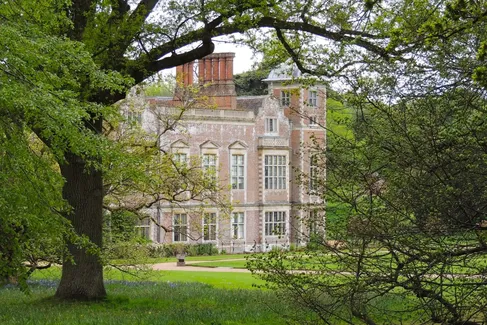
Crack monitoring for heritage buildings
Dated crack measurement records showing whether movement in your building is active or settled.
Learn about crack monitoring for heritage buildings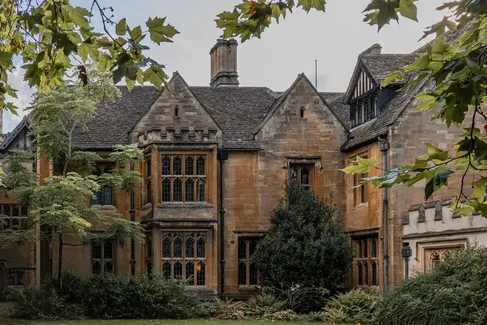
Drainage investigations for heritage buildings
CCTV drain inspection to find whether failing pipework is the cause of ground movement.
Learn about drainage investigations for heritage buildings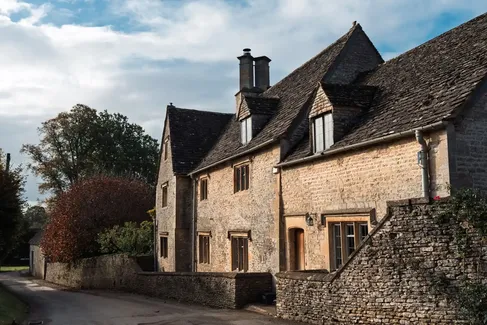
Heritage building foundation repairs
Foundation repairs for older properties, matched to the original construction and ground conditions.
Learn about heritage building foundation repairs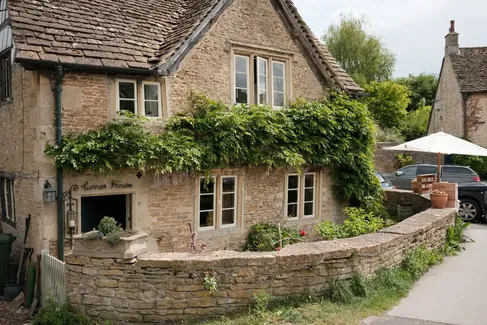
Heritage building lime mortar repointing
Breathable lime mortar repointing that protects original brick and stonework from moisture damage.
Learn about heritage building lime mortar repointing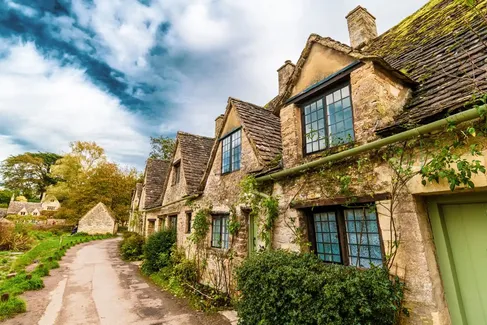
Heritage building load-bearing wall stabilisation
Masonry wall repairs using bonded bar reinforcement and restraint fixings for period buildings.
Learn about heritage building load-bearing wall stabilisation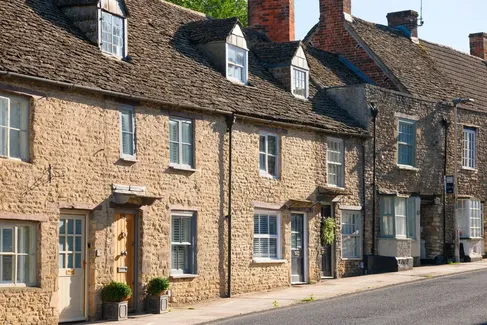
Structural underpinning for heritage buildings
Foundation underpinning for heritage buildings where ground movement requires a lasting structural fix.
Learn about structural underpinning for heritage buildings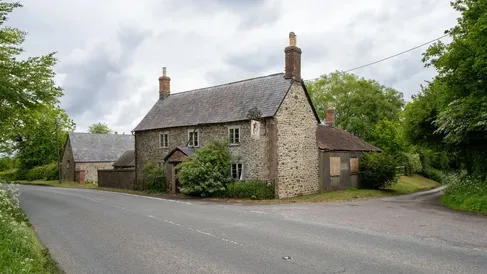
Subsidence surveys for heritage buildings
Written subsidence assessments for period properties, identifying the cause and what needs to be done.
Learn about subsidence surveys for heritage buildings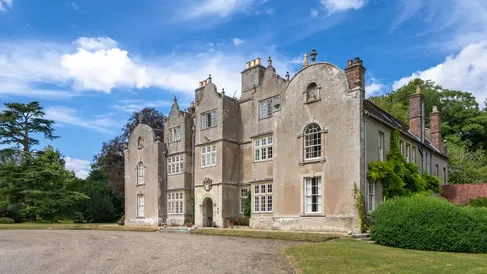
Heritage building tree root assessments
Root cause assessments for clay soil properties where nearby trees may be driving foundation movement.
Learn about heritage building tree root assessments