
Specialists / Serving all of the United Kingdom
Get subsidence in heritage buildings assessed across the UK
Spotting cracks in a listed or period property is unsettling. A specialist establishes what the ground is doing beneath your building, sets out the cause clearly, and recommends a repair that suits the evidence and the structure.
Does your building show signs of ground movement?
Ground movement in a heritage building can be easy to misread. Certain crack patterns and structural shifts do need prompt attention, and the sooner a specialist assesses them, the less remedial work tends to be required.
Signs worth a specialist look
- Stepped or diagonal cracking through masonry wider than 3mm, particularly at the corners of window or door openings
- Cracks that are noticeably wider at one end, pointing to rotation or differential settlement in the structure
- Stone or brick courses that have shifted out of alignment along a horizontal bed joint
- Doors or windows that have recently dropped out of true or begun binding in their frames
- Matching fractures visible on both the internal and external face of the same wall
- A gap opening between an original structure and a later addition, or between a chimney breast and the main wall
- Cracking that first appears or visibly widens following a prolonged dry summer, especially near mature trees
What triggers subsidence in the UK?
Ground conditions vary across the United Kingdom, and what drives movement in heritage buildings is not what drives it in modern construction. Specialists most frequently point to the following causes:
- Clay soil contracting in dry weather, often with tree roots pulling moisture out and speeding up the process
- Leaking or broken drains eroding or softening the soil around shallow historic foundations
- Tree roots extracting moisture from clay close to old footings that were never designed for significant soil movement
- Made ground or loosely placed fill that is still settling beneath structures built over earlier development
- Shallow lime-mortared foundations that are more sensitive to ground moisture changes than modern concrete footings
Our subsidence repair for heritage buildings
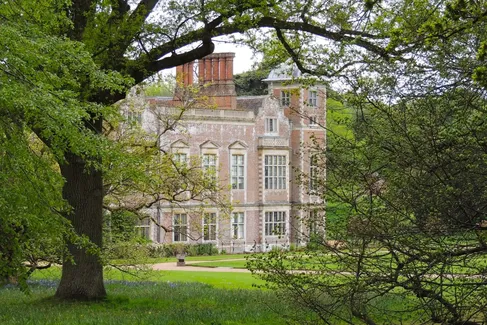
Crack monitoring for heritage buildings
Dated crack measurement records showing whether movement in your building is active or settled.
Learn about crack monitoring for heritage buildings
Drainage investigations for heritage buildings
CCTV drain inspection to find whether failing pipework is the cause of ground movement.
Learn about drainage investigations for heritage buildings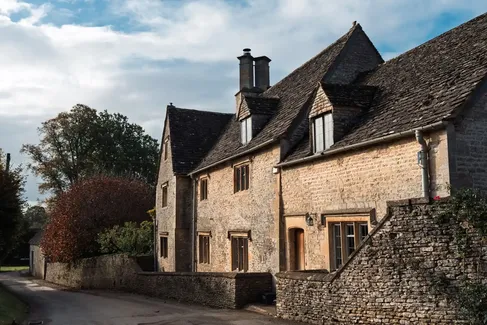
Heritage building foundation repairs
Foundation repairs for older properties, matched to the original construction and ground conditions.
Learn about heritage building foundation repairs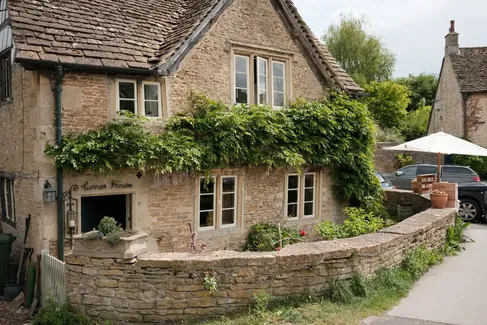
Heritage building lime mortar repointing
Breathable lime mortar repointing that protects original brick and stonework from moisture damage.
Learn about heritage building lime mortar repointing
Heritage building load-bearing wall stabilisation
Masonry wall repairs using bonded bar reinforcement and restraint fixings for period buildings.
Learn about heritage building load-bearing wall stabilisation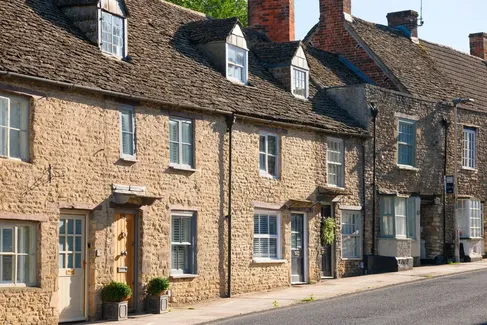
Structural underpinning for heritage buildings
Foundation underpinning for heritage buildings where ground movement requires a lasting structural fix.
Learn about structural underpinning for heritage buildings
Subsidence surveys for heritage buildings
Written subsidence assessments for period properties, identifying the cause and what needs to be done.
Learn about subsidence surveys for heritage buildings
Heritage building tree root assessments
Root cause assessments for clay soil properties where nearby trees may be driving foundation movement.
Learn about heritage building tree root assessmentsFrom first contact to finished repair
- 1
Describe the damage you have found
Use the form to give the property address and a short account of what you have noticed: diagonal cracks above window openings, stepped cracking in lime-jointed brickwork, a floor that has dropped toward one corner, or a door that has started to bind. Note which direction the cracking runs, roughly how wide the gaps are, and when you first saw them. Say whether the problem looks the same now or has changed. Placing a coin or pen next to the crack before photographing it helps the specialist read the size of the damage. There is no charge for the quote.
- 2
A specialist phones you
A heritage subsidence specialist will call you to go through what you have noticed and gather the details they need. They will want to know the age and construction of the building, the soil type beneath it if you are aware of it, whether large trees are nearby, and whether any drains or gutters have been leaking close to the affected wall. Tell the specialist at this stage if an insurer has already opened a claim.
- 3
Working out whether a site visit is needed
Using what you have described, the specialist decides whether a visit to the property would add useful information. If the movement appears ongoing, crack monitors can be fitted to record readings across several weeks. Those readings show whether the structure continues to move, whether clay shrinkage driven by seasonal change is responsible, or whether the building has settled into a stable state. That information determines which repair method is appropriate for the age and construction of the building.
Towns and cities we cover
Find your town below for local detail on subsidence repair for heritage buildings. Specialists are active throughout the United Kingdom.
A look at subsidence repair for heritage building work