
Services / United Kingdom
Subsidence repair for heritage buildings UK
Every stage of resolving building movement in a heritage property is covered here, from identifying the cause to completing the right repair. A specialist works out what the ground is actually doing before any remedy is proposed, and the work goes no further than the findings require.
Sound subsidence repair for heritage building work runs in a fixed order: investigate to pin down what is driving the movement, monitor where more time is needed to form a complete picture, then carry out the appropriate remedy, whether that is a drain repair, lime mortar repointing, resin injection or, where the foundations truly require it, underpinning.
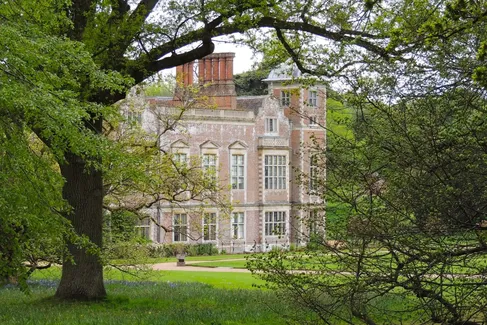
Crack monitoring for heritage buildings
Dated crack measurement records showing whether movement in your building is active or settled.
Learn about crack monitoring for heritage buildings
Drainage investigations for heritage buildings
CCTV drain inspection to find whether failing pipework is the cause of ground movement.
Learn about drainage investigations for heritage buildings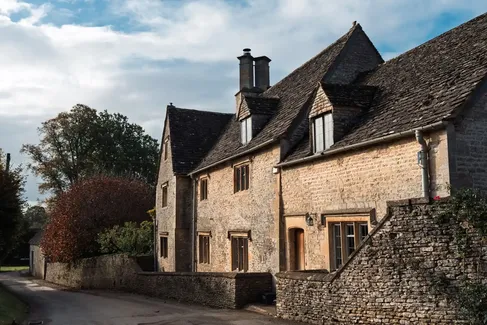
Heritage building foundation repairs
Foundation repairs for older properties, matched to the original construction and ground conditions.
Learn about heritage building foundation repairs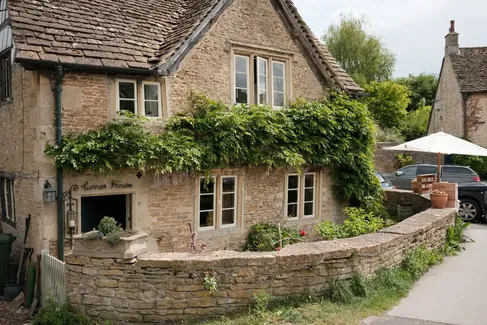
Heritage building lime mortar repointing
Breathable lime mortar repointing that protects original brick and stonework from moisture damage.
Learn about heritage building lime mortar repointing
Heritage building load-bearing wall stabilisation
Masonry wall repairs using bonded bar reinforcement and restraint fixings for period buildings.
Learn about heritage building load-bearing wall stabilisation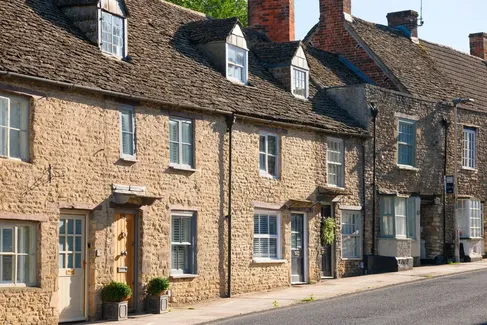
Structural underpinning for heritage buildings
Foundation underpinning for heritage buildings where ground movement requires a lasting structural fix.
Learn about structural underpinning for heritage buildings
Subsidence surveys for heritage buildings
Written subsidence assessments for period properties, identifying the cause and what needs to be done.
Learn about subsidence surveys for heritage buildings
Heritage building tree root assessments
Root cause assessments for clay soil properties where nearby trees may be driving foundation movement.
Learn about heritage building tree root assessmentsRepair routes side by side
| If you notice… | You likely need |
|---|---|
| A wall fracture that appeared recently and you have no way of knowing whether it has widened since | Crack monitoring for heritage buildings |
| Subsidence or cracking that began shortly after a drain blockage or pipe failure was discovered nearby | Drainage investigations for heritage buildings |
| Cracks above window and door openings that have continued to widen after a period of monitoring | Heritage building foundation repairs |
| Mortar joints that are crumbling, recessed or missing in sections across the face of the wall | Heritage building lime mortar repointing |
| An outer leaf that curves or leans outward when you look along the wall from one end | Heritage building load-bearing wall stabilisation |
| Monitoring data or an engineer's report showing that cracks have continued to open over a period of months | Structural underpinning for heritage buildings |
| Diagonal cracking in brickwork or render that appeared after a prolonged dry spell and has not closed | Subsidence surveys for heritage buildings |
| Oak, willow, poplar or other high-water-demand trees growing within fifteen metres of the building on clay ground | Heritage building tree root assessments |
Why heritage buildings need specialist knowledge
Older structures sit on shallower foundations and use materials that react differently to ground movement than modern builds do.
Proportionate & evidence-led
Insurance-claim support
Lender-ready reports
Towns and cities we cover
Find your town below for local detail on subsidence repair for heritage buildings. Specialists are active throughout the United Kingdom.